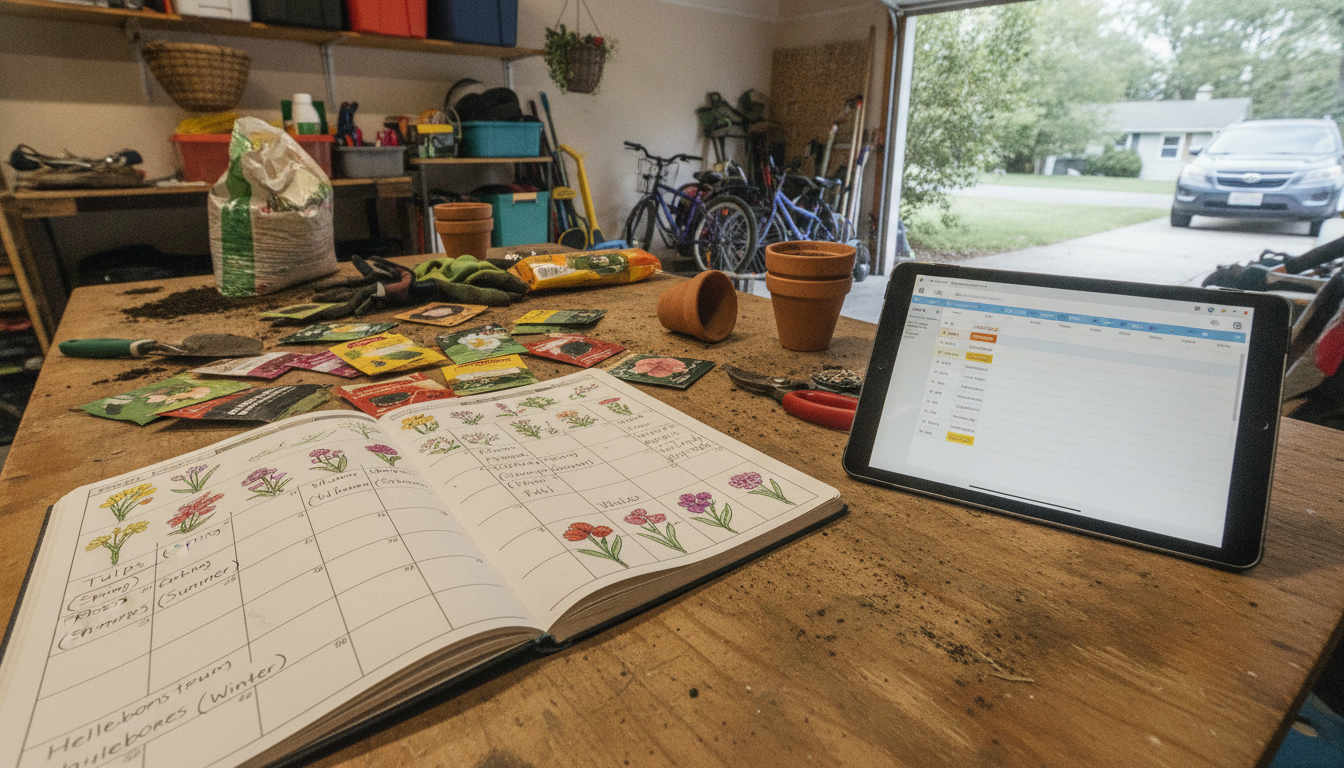
A year-round blooming garden starts with a simple idea: swap “one big spring show” for a steady relay of flowers. That means choosing plants with staggered bloom times, repeating a few reliable performers, and using structure (evergreens, grasses, and shrubs) so the space still looks intentional when fewer flowers are out. For a deeper seasonal breakdown and plant-picking strategy, visit https://perfectpickspalace.shop/how-to-plan-a-garden-that-blooms-all-year/.
Note your USDA hardiness zone, sun exposure (full sun, part sun, shade), and soil drainage. These three factors decide what can reliably bloom for you—not just what looks good in photos. Then list bloom windows you want to cover: early spring, late spring, summer, fall, and (in mild climates) winter.
Aim for at least 2–3 plant options per season so gaps are less likely. Mix bulbs and perennials for spring, long-blooming annuals and perennials for summer, late-season perennials and ornamental grasses for fall, and winter-interest shrubs (plus early bloomers like hellebores in warmer zones).
Use flowering shrubs and small trees as anchors (they’re dependable and fill space fast). Add perennials for repeat color and pollinator value. Use annuals to patch holes and keep containers lively when a bed is between bloom cycles.
Instead of dozens of single specimens, repeat a few varieties in drifts. This creates rhythm, makes the garden feel fuller, and helps each season look “designed,” not accidental.
Deadhead where appropriate, cut back spent blooms, and feed heavy bloomers as needed. Plan irrigation early—consistent moisture helps plants rebloom and reduces stress during peak summer heat.
Choose a core of hardy shrubs plus long-blooming perennials like coneflower, salvia, coreopsis, and black-eyed Susan, then fill gaps with tough annuals such as zinnias or calibrachoa. Prioritize disease-resistant varieties and match each plant to your sun and soil for fewer problems.






Leave a comment