
If the goal is to significantly lower TDS (total dissolved solids), a reverse osmosis (RO) water purifier is the type most associated with big reductions—often up to about 90% (and sometimes more, depending on water quality and the system). That’s because an RO membrane is designed to remove many dissolved ions and minerals that contribute to TDS, not just taste- and odor-causing compounds.
TDS is made up of dissolved substances like calcium, magnesium, sodium, and other salts and minerals. Many common filters—such as basic carbon filters—can improve taste and reduce chlorine, but they typically don’t remove dissolved solids in a meaningful way. RO filtration is different: it pushes water through a semipermeable membrane that blocks many dissolved particles, resulting in noticeably lower TDS readings.
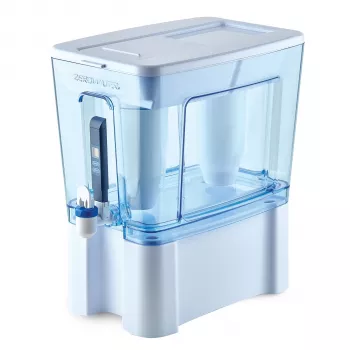
Some multi-stage countertop dispensers and pitchers focus on reducing contaminants like chlorine, lead, and other heavy metals while improving flavor. These can be great for convenience and targeted contaminant reduction, but they’re not always intended to slash TDS the way RO does. If a product emphasizes lead reduction and taste improvements, it may still show only modest TDS changes—unless it includes an RO membrane or a dedicated deionization stage.
The simplest way is to measure your tap water and filtered water with a TDS meter and compare the numbers. A strong RO setup often produces a dramatic drop. For a deeper look at real-time readings and how a multi-stage dispenser approach performs, see the detailed guide here: https://perfectpickspalace.shop/guide-52-cup-5-stage-water-filter-dispenser-real-time-tds-meter-lead-reduction/.
Not always. Lower TDS can indicate fewer dissolved minerals and salts, but safety depends on which specific contaminants are present and whether the purifier is certified to reduce them (such as lead, nitrates, or arsenic).





Leave a comment