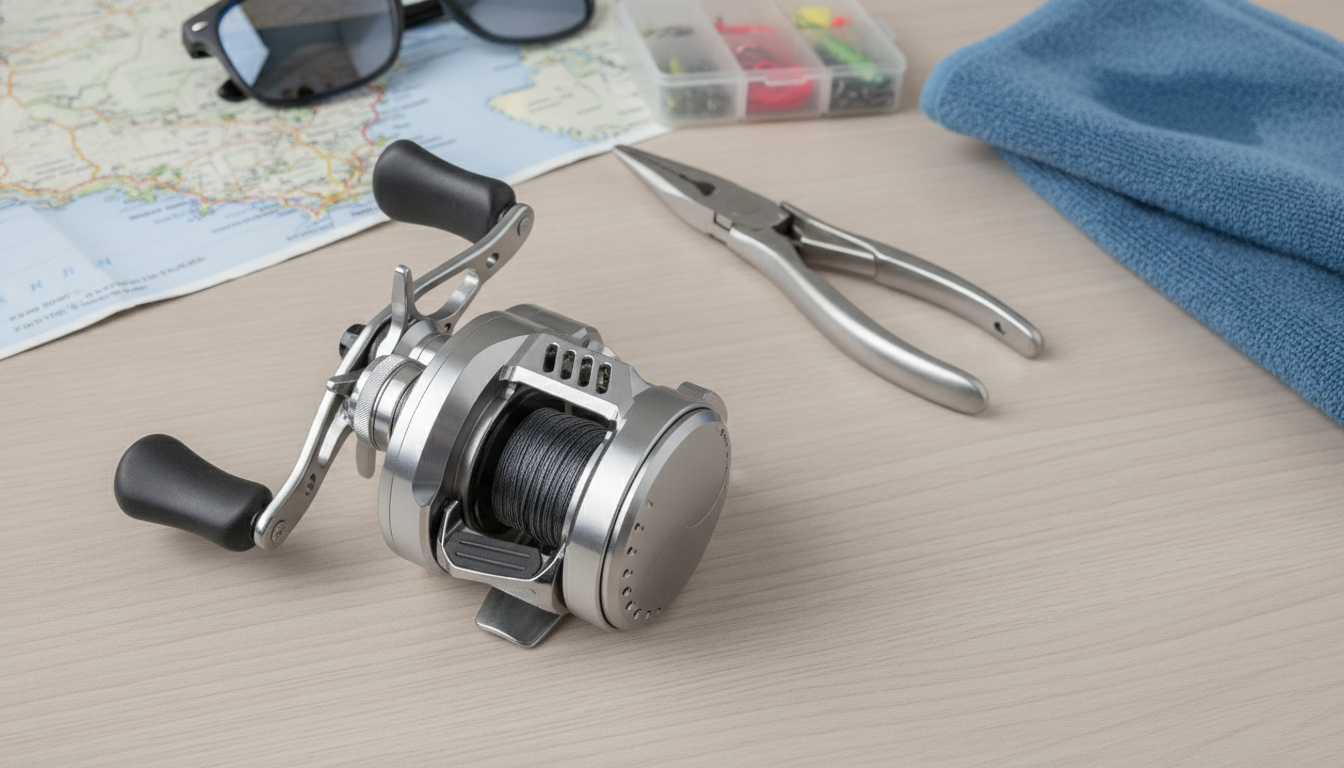
Yes, a baitcaster reel can be used in saltwater, but it needs the right materials, setup, and after-care. Saltwater is far more corrosive than freshwater, and it can quickly damage bearings, gears, and braking components if the reel isn’t designed for it or isn’t rinsed and dried properly after each trip.
A reel marketed for saltwater (or “inshore”) use is the safest choice. Look for corrosion-resistant frame and side plates (often aluminum or treated alloys), stainless or corrosion-resistant bearings, and quality seals around key areas. Smooth braking control also matters when casting into wind near the coast; if you’re comparing brake systems and want a deeper breakdown, see this guide to magnetic brake baitcasting reels.
A standard freshwater baitcaster can handle occasional light saltwater use if you avoid dunking it, keep it out of sand, and clean it immediately afterward. It’s better for short outings like casting from a pier or kayak where the reel stays relatively dry. If the reel gets splashed often—or fully submerged—expect faster wear unless it’s purpose-built for saltwater.
After fishing, lightly rinse the reel with low-pressure freshwater (never a hard spray), then wipe it down. Back off the drag before storage so the washers aren’t compressed. If you fish salt regularly, open the side plate occasionally to check for salt crystals, and apply a reel-safe oil to bearings and handle knobs as needed. Any gritty feel, corrosion spots, or sudden noise is a sign it’s time for a deeper clean and re-lube.
Saltwater use is absolutely possible with a baitcaster—just choose corrosion-resistant components when you can, keep it dry and sand-free during the trip, and treat rinsing and drying as part of every outing.
Rinse gently with low-pressure freshwater, wipe dry, and let it air-dry fully before storage. Add a small amount of reel-safe oil to key moving parts if needed, and avoid blasting water into the reel.





Leave a comment