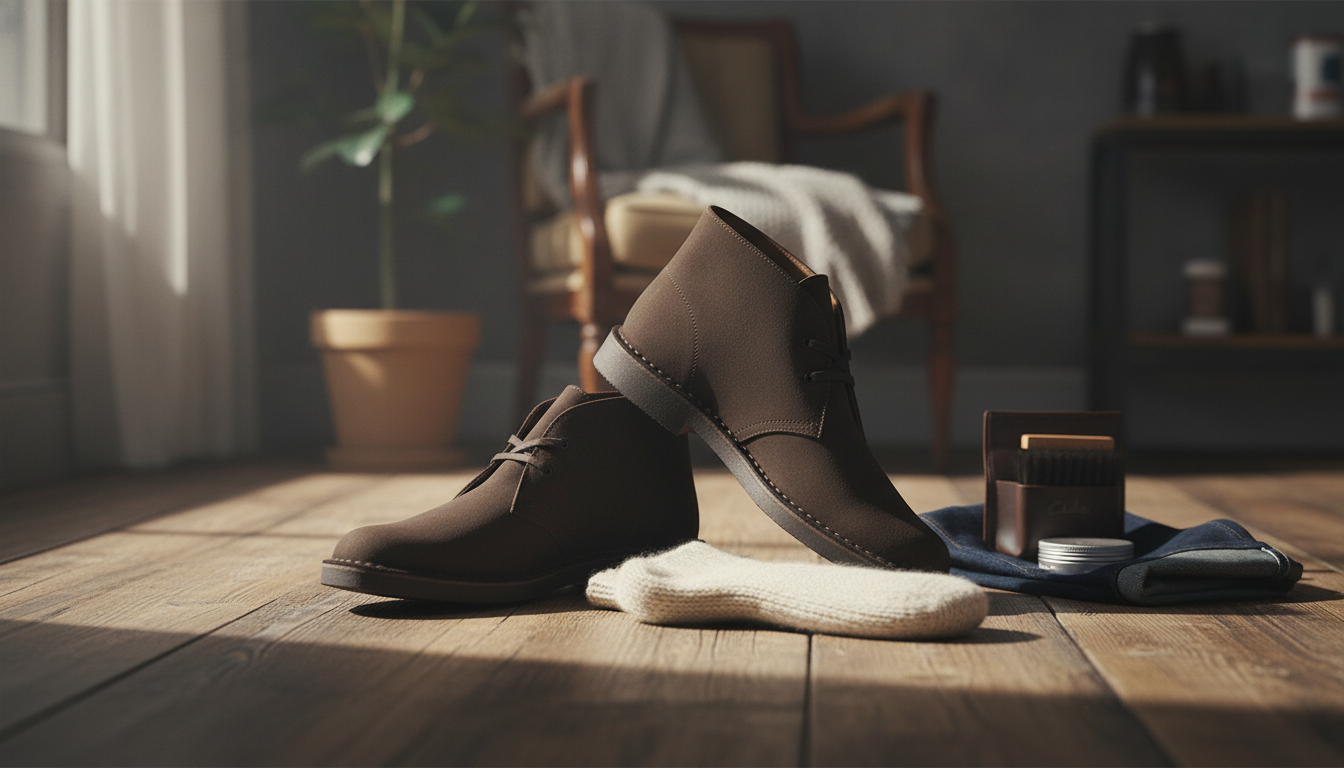
Leather ankle boots are a workhorse pair: easy to dress up, durable enough for frequent wear, and comfortable when the fit and construction are right. The sweet spot is a boot that supports the ankle without feeling heavy, looks polished enough for dinner, and holds up to repeat wear. Below is a practical guide to what makes leather ankle boots dependable, what to prioritize for comfort, how to dial in fit, how to break them in without pain, and how to keep leather looking sharp.
Ankle-height boots sit in that rare middle ground between sneakers and taller boots. They cover the ankle for a little extra stability and structure, but they avoid the bulk and heat that can come with mid-calf or tall styles. That makes them easy to wear year-round, especially for commuters and anyone who’s on their feet frequently.
Leather uppers also tend to improve with time. With consistent wear, leather can relax slightly and mold to your foot shape, creating a more personalized feel. Visually, a good leather upper develops character—subtle creasing and patina that reads “lived-in” rather than worn-out, as long as you keep up with basic cleaning and conditioning.
Styling is another advantage: depending on the leather finish and outsole profile, leather ankle boots can move between casual, smart-casual, and many office settings. They pair naturally with denim and chinos, and they can look equally at home with wool trousers and layered outerwear when the temperature drops.
Comfort isn’t just about softness—support and stability matter just as much. Many Clarks-inspired designs focus on underfoot cushioning and a secure, easy-to-wear fit that works for long days.
For additional comfort and foot-health fundamentals—like ensuring proper length, width, and support—resources from the American Podiatric Medical Association can be a helpful reference point when comparing footwear options.
A few small details can make the difference between boots that sit in the closet and boots that become the default choice. Before checking out, confirm the upper material, choose a sole that matches your surfaces, and think through how you’ll actually wear them day to day.
| Use case | Leather finish | Sole preference | Best pairing |
|---|---|---|---|
| Daily commute | Smooth or lightly textured | Rubber or cushioned outsole | Jeans, chinos, casual jacket |
| Smart-casual office | Polished smooth leather | Low-profile rubber or hybrid | Wool trousers, button-down, blazer |
| Wet-weather errands | Treated or conditioned leather | Deeper-tread rubber | Denim, overshirt, rain shell |
| Evening outings | Cleaner, shinier finish | Sleeker sole profile | Dark jeans or tailored trousers |
Leather boots can soften with wear, but the underlying length and overall last shape won’t magically change. A careful try-on prevents most “almost fits” mistakes.
For brand-specific care guidance and product recommendations, refer to Clarks shoe care guidance. For broader context on responsible leather production and auditing frameworks, the Leather Working Group provides useful material standards information.
Clarks Men’s Leather Ankle Boots are a strong option for building a minimal, versatile footwear rotation. The leather ankle height makes them easy to style, while comfort-focused design details can make them more wearable for longer days.
Leather can relax and mold to the foot with wear, especially across the vamp and width. It should feel snug but not painful at first; tightness in length typically won’t improve and usually points to needing a different size.
Condition every few weeks to every couple of months depending on climate and how often you wear them. Dry environments and frequent wear usually require more conditioning, while over-conditioning can soften structure and attract dirt.
Medium-weight socks are a reliable default for comfort and moisture management. Use thinner socks for a cleaner fit in dressier settings, and thicker socks for colder weather if the boot volume allows.






Leave a comment