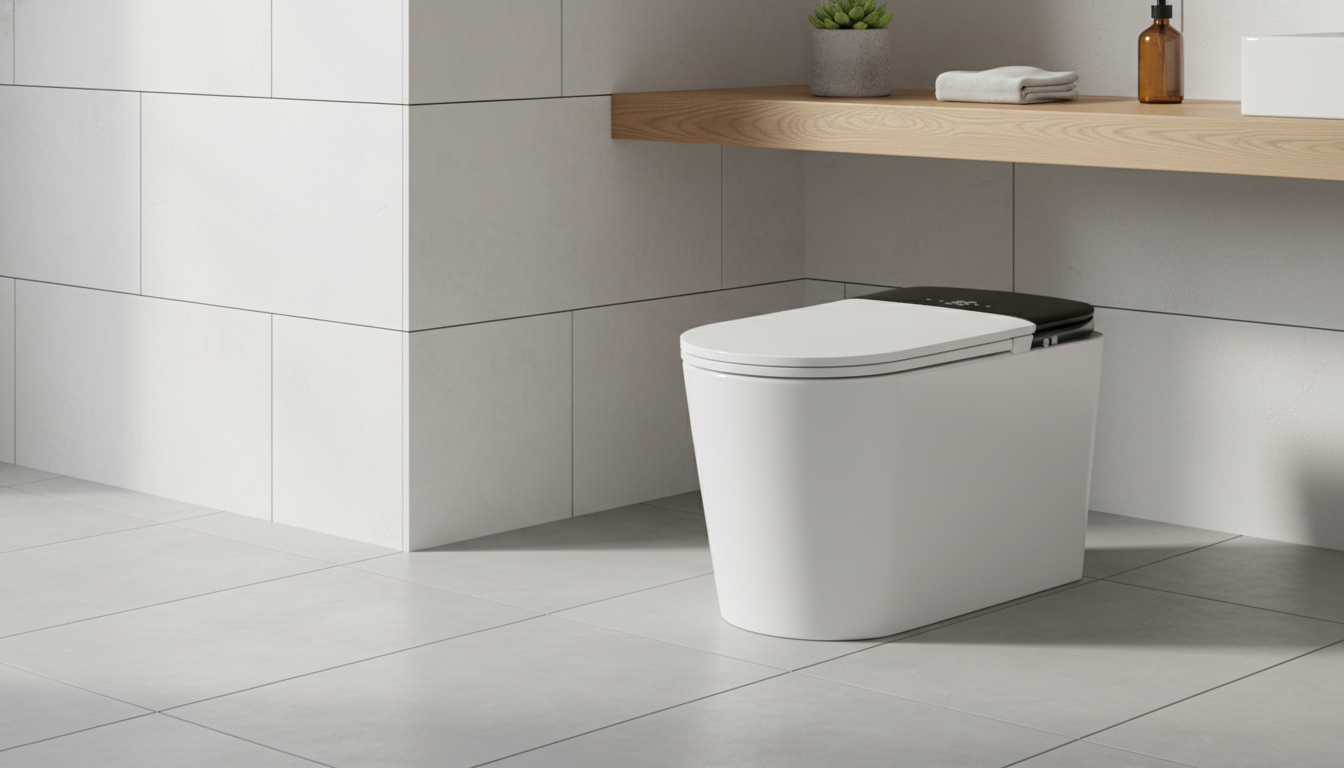
A compact, floor-mounted smart toilet can modernize a bathroom without requiring a wall-hung carrier or major structural changes. Automatic operation, built-in hygiene functions, and comfort features are designed to reduce touchpoints and streamline daily use. This guide covers key features, installation realities, and practical care tips for long-term reliability.
A floor-mounted smart toilet is often the most straightforward upgrade path when a bathroom needs modern convenience but can’t easily accommodate in-wall framing or a wall-hung carrier. Because it installs on the floor like a conventional toilet, many bathrooms can keep their existing drain location while gaining advanced features.
Space-saving footprints also matter in real homes—especially where door swings, vanity drawers, or shower clearances leave little room to spare. A compact base and one-piece styling can make the room feel less crowded while also reducing exterior nooks that collect dust and splash-back. For many households, the biggest day-to-day difference is fewer touchpoints: automation can reduce hand contact with lids and flush controls, supporting a cleaner routine with less effort.
Automatic operation is typically the headline feature, but the practical value depends on how the sensors behave in your specific layout. Hands-free lid and seat behavior can make entering and leaving the bathroom feel smoother—especially when hands are full or mobility is limited.
Automatic flushing aims to prevent “forgotten flushes,” reduce lingering waste, and help control odor without reaching for a handle. Many models also include sensor logic that tries to avoid false triggers; however, placement, lighting, and reflective surfaces can influence performance. If your bathroom has direct sunlight, glossy tile, or a tight doorway that points toward the toilet, it’s worth reviewing the placement guidance during setup and doing a few test cycles before finalizing any settings.
Power planning is non-negotiable. Automatic features require electricity, so confirm that a nearby outlet is available and that the cord can reach without strain. Also consider what matters during an outage: some toilets keep a basic flush option or provide a backup method, while advanced features may pause until power returns.
Many smart toilets blend washing and comfort features into a single unit. Integrated washing functions often include adjustable water pressure, temperature, and nozzle position, which allows users to fine-tune the experience rather than settling for a one-setting rinse. If multiple people will use the toilet, look for controls that are easy to understand and quick to adjust.
A heated seat can be a surprisingly meaningful upgrade in colder months. It also helps avoid the temptation to rely on portable heaters in bathrooms, which can introduce their own safety and humidity concerns. Warm-air drying (when included) can reduce toilet paper usage and is often appreciated by users who want a simpler routine or who have mobility needs.
| Category | What to Confirm | Why It Matters |
|---|---|---|
| Fit & layout | Rough-in size and bathroom clearances | Prevents costly repositioning and installation delays |
| Power | Nearby GFCI outlet and cord length | Ensures safe, reliable operation of automatic functions |
| Water | Supply line compatibility and shutoff access | Simplifies installation and maintenance |
| Automation | Auto open/close and auto flush behavior | Reduces touchpoints and improves daily convenience |
| Cleaning | Nozzle rinse/self-clean mode (if included) | Improves hygiene and reduces manual cleaning effort |
| Comfort | Heated seat, water temp control, dryer (if included) | Supports comfort and accessibility |
| Service | Filter/consumables access and replacement method | Helps keep performance consistent over time |
Also evaluate your floor. An uneven surface can cause rocking, which stresses the seal over time and may lead to leaks or odor. If needed, address leveling during installation rather than trying to “live with it.” Finally, confirm local code requirements—especially around approved connections and backflow protection. For references on water efficiency and plumbing standards, see EPA WaterSense guidance on toilets and information from the International Association of Plumbing and Mechanical Officials (IAPMO).
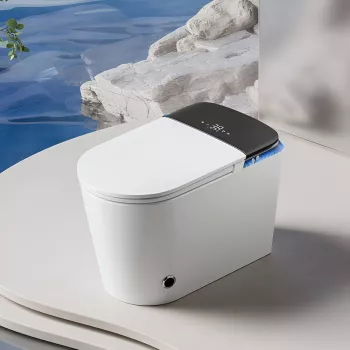
For a compact upgrade that keeps installation closer to a traditional floor-mounted footprint, consider the Floor Mounted Space-Saving Intelligent Smart Toilet with Automatic Operation. It’s designed to add automatic behavior and modern comfort in bathrooms where space and remodeling scope are limited.
If you’re planning a bathroom refresh and want a structured way to map costs and timelines, the Smart Savings: The Ultimate Guide to Balancing Short-Term and Long-Term Goals | Personal Finance Guide | Budgeting Planner | Short-term vs. long-term savings Beginner Blueprint can help organize purchase priorities alongside other home expenses.
Many models can still flush in some way, but automatic features often stop during an outage. Check your specific unit’s manual for its power-loss behavior and any emergency or manual flush procedure.
A nearby GFCI-protected outlet is commonly recommended for bathroom safety. Avoid extension cords when possible, and confirm the voltage and plug type required by the toilet before installation.
Plan for comfortable front and side clearances, and make sure the door swing and vanity/shower clearances won’t interfere. Measure your layout and compare it to the product’s dimensions and rough-in requirements to avoid fit issues.






Leave a comment