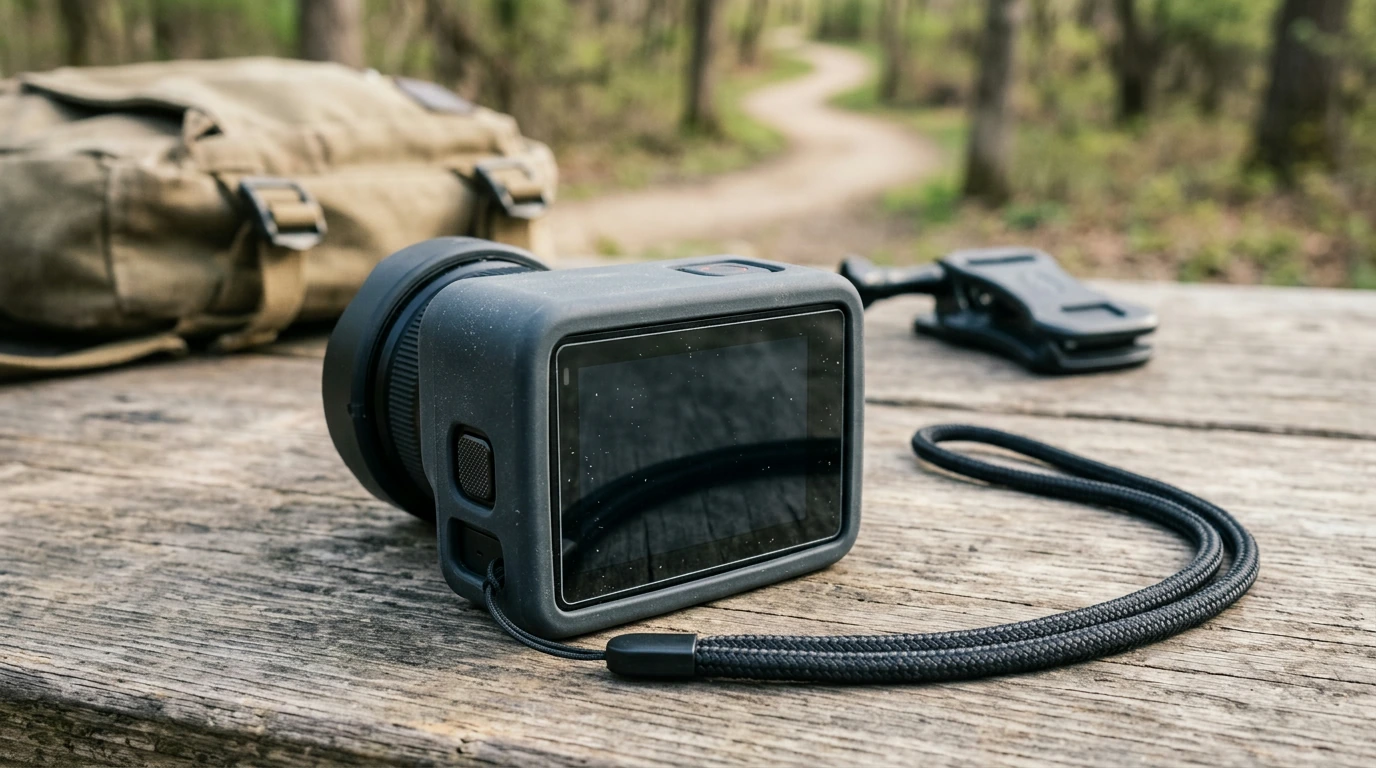
A GoPro can move from a pocket to a bag to a mount before you record a single clip. Our Silicone Protective Sleeve with Tempered Glass and Lanyard for GoPro Hero 13 Black brings together three accessories for those everyday transitions. Each has a different job: the sleeve covers the camera body, the tempered glass covers its intended surface, and the lanyard helps you carry the camera between shots. The useful setup is the one that fits your camera, mount, and plans without getting in the way. For more guidance, see ICAD_Report (Iowa City Area Development Group PE02/ ….
The silicone sleeve puts a layer between the camera body and surfaces it may touch during ordinary handling or storage. It does not replace careful handling or an impact-rated case. If you pack your camera with other gear, keep hard or sharp objects from pressing against it. For further reading, see Full text of “Speed March 2016”.
Tempered glass is intended to protect the compatible surface it covers. Before applying it, identify that surface and make sure the glass aligns without covering an opening or interfering with a control. The lanyard, meanwhile, gives you a way to keep the camera close while carrying it. Treat it as a carrying aid, not as the sole way to secure your camera during fast-moving activities.
| Situation | Useful accessory | Check before you go |
|---|---|---|
| Walking between shots | Sleeve and lanyard | Confirm the sleeve is seated and the lanyard is attached securely. |
| Packing with other gear | Sleeve and tempered glass | Prevent hard items from pressing against the camera. |
| Recording on a mount | Only accessories that fit the setup | Check the mount, controls, openings, and camera view. |
Start with a clean, dry camera. Gently clear dust from the surface intended for the tempered glass, then follow the application instructions supplied with it. Take time to align the glass before pressing it down; afterward, look along its edges for lifting.
Work the sleeve onto the camera without forcing it. Press each button you expect to use and make sure you can open any door you will need. If you plan to connect a cable or use a mount, try that complete setup now rather than discovering a fit issue on location. Attach the lanyard only at its intended connection point, give it a gentle check, and inspect it periodically for wear.
Finally, record a short test clip. Review the frame for an edge of the sleeve or a swinging lanyard, and confirm that you can operate the camera comfortably. This small rehearsal matters more than how neatly the accessories appear to fit while the camera is off.
| Part | What to look for |
|---|---|
| Glass | Correct alignment and no lifted edges |
| Sleeve | Secure fit and accessible controls |
| Lanyard | Sound attachment and no handling interference |
| Camera | Clear view and a successful test recording |
For travel days and walks between filming locations, the sleeve and lanyard can help you handle and carry the camera. Before recording, move the lanyard out of the camera’s view. When you put the camera away, avoid trapping dirt between the sleeve and body.
Test the camera, sleeve, and mount together. If the sleeve changes how securely the camera seats, choose a configuration that gives you a reliable mount fit. Recheck access to controls and doors, as well as the view in a short recording. Do not rely on a lanyard to compensate for a mount that does not hold properly.
A sleeve or piece of tempered glass does not change the camera’s stated operating limits. For wet conditions, consult the GoPro product manuals and guidance for the HERO13 Black before choosing your setup. Around sand or dust, check regularly for particles caught at the sleeve’s edges. After an outing, remove trapped grit carefully and let the gear dry as appropriate before packing it away.
Make a brief inspection part of your cleanup. Remove the sleeve if dirt has worked underneath it, then gently clean both the sleeve and camera before refitting it. Trapped grit can rub against the body during use. Pay particular attention to areas of the sleeve that flex when you take it off.
Check the tempered glass for cracks or lifting, and replace damaged glass rather than continuing to use it. Inspect the lanyard cord and its attachment point for wear, too. These habits help you decide whether each piece is still useful for the next outing instead of assuming it is ready because it was fitted last time.
Our team recommends keeping this protection setup separate from choices about reviewing your footage. If you also want dedicated listening gear for playback or editing, our High-Fidelity 9.2mm Beryllium-Coated Single Driver In-Ear Headphones are an option to consider; confirm compatibility with the device you use for playback. For the camera itself, the best final check remains a secure fit, a clear view, and a test clip before you head out.
That depends on the mount and how the sleeve sits on your camera. Test the complete setup for a secure fit, accessible controls, and a clear view before filming.
No. Tempered glass provides surface protection; it does not change the camera’s stated water-resistance limits. Follow GoPro’s guidance for your camera and activity.
You can use it for everyday handling, but remove it when you need to clear trapped grit, inspect the camera, or fit an accessory that requires a different configuration.






Leave a comment