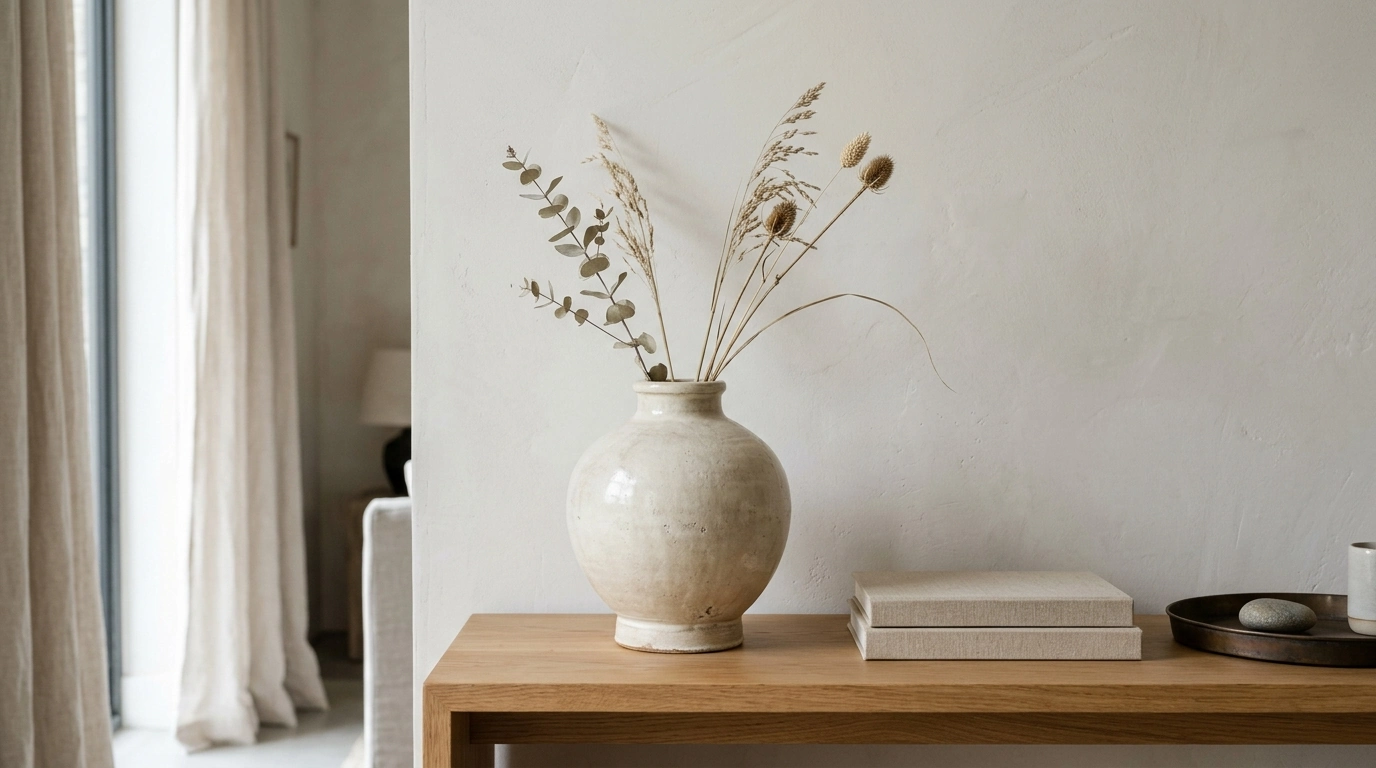
A single vase can make a shelf or table feel more considered. Our Medieval French-Style Ceramic Vase brings a historically inspired note to everyday decorating without asking you to fill a room with period pieces. You can let it stand alone or build a small arrangement around it. The best approach depends on where you have room, what you already own, and how you use the space each day. For more guidance, see China and Greco-Roman Antiquity: Overture to a Study of ….
A medieval French-inspired accent can add a sense of history to a contemporary home. That describes the vase’s style, not its age or a connection to a particular historical object. Ceramics have taken many forms across centuries and cultures, as the Victoria and Albert Museum’s ceramics collection illustrates. At home, you don’t need to recreate an era to enjoy an old-world influence. For further reading, see News Release – “Inspiring Walt Disney: The Animation of ….
Start by identifying one place where you want a visual pause. On a mantel, the vase can stand alone. On a console, it can anchor a compact arrangement. On a bookshelf, it can interrupt a long row of books. In each location, leave enough open space for the vase’s outline to be seen; crowding it with small objects can make the display feel busy.
| Location | Pair it with | Keep in mind |
|---|---|---|
| Mantel | A small stack of books or a framed piece | Leave breathing room around the vase. |
| Console table | A tray and one low accent | Vary heights without filling the whole surface. |
| Bookshelf | Books and one smaller object | Choose a secure spot where it is unlikely to be knocked. |
| Dining sideboard | A runner or a single framed print | Preserve space for everyday use. |
You don’t need matching furniture to make a historically inspired vase feel at home. A clean-lined table or simple shelf gives it room to be the focal point. Against a plain wall, the contrast can look especially intentional. The same principle works beside contemporary objects: choose companions that differ in shape or height but don’t compete for attention.
For warmth, try one or two materials you already have nearby. Linen can soften a hard tabletop; wood can bring a natural note; an aged-looking metal finish can add quiet contrast. Neutral-covered books are useful because you can stack or stand them to adjust the arrangement without adding another strong decorative theme.
Keep the supporting cast small. A vase, two books, and a low tray may be enough for a console. Repeating medieval-inspired details throughout the room can turn a personal space into a staged setting. Let the vase supply the historical reference while the rest of the room stays yours.
An empty vase is a complete display choice. It keeps a narrow shelf uncluttered and works well in a group where another object already adds height. You can also change its setting without changing the vase itself: move a book stack, swap a textile, or give it a little more space.
If you prefer stems, begin with just a few. Adjust their height and spread in the intended spot rather than building an arrangement elsewhere and hoping it fits. A restrained bunch often leaves more of the vase visible. Keep tall stems away from door swings and walkways, and make sure a dining-table display doesn’t block conversation across the table.
Don’t assume a decorative ceramic vase is watertight. Before adding fresh flowers, review the product’s care and use details. If water suitability isn’t confirmed, use a securely fitting inner vessel or choose dried stems instead.
| Approach | Best for | Styling tip |
|---|---|---|
| Displayed empty | Shelves and mantels | Give the vase space to stand on its own. |
| Dried stems | Low-maintenance displays | Start with a small number of stems. |
| Fresh flowers with an inner vessel | Seasonal arrangements | Confirm the inner vessel sits securely before adding water. |
Before ordering, measure the shelf, mantel, or tabletop you have in mind and compare it with the vase’s listed dimensions. Account for nearby objects and for the extra height or width of any stems. A display that looks balanced from the front should also leave enough clearance for you to reach books, open doors, or use the table normally.
Choose a stable, level surface away from its edge. In a busy household, a spot set back from regular traffic is usually more practical than a narrow ledge beside a frequently used doorway. Consider who uses the room and which surfaces are routinely bumped when bags, dishes, or other items are set down.
Care matters, too. Follow the information supplied with the vase before cleaning it or placing it outdoors; ceramic finishes do not all call for the same treatment. A convenient location is one where you can enjoy the piece without needing to move it constantly to protect it.
A considered room can also make space for things that aren’t decorative. If your shelf sits near a favorite listening chair, our High-Fidelity 9.2mm Beryllium-Coated Single Driver In-Ear Headphones are a separate option for enjoying that corner; they needn’t become part of the vase arrangement.
Yes. Set it alongside clean-lined furnishings and limit nearby accents so the contrast feels intentional.
Do not assume the vase holds water. Review its care and use details first, or place fresh flowers in a suitable inner vessel.
Choose a stable surface with clearance around the vase, such as a mantel, console, sideboard, or secure shelf.




Leave a comment