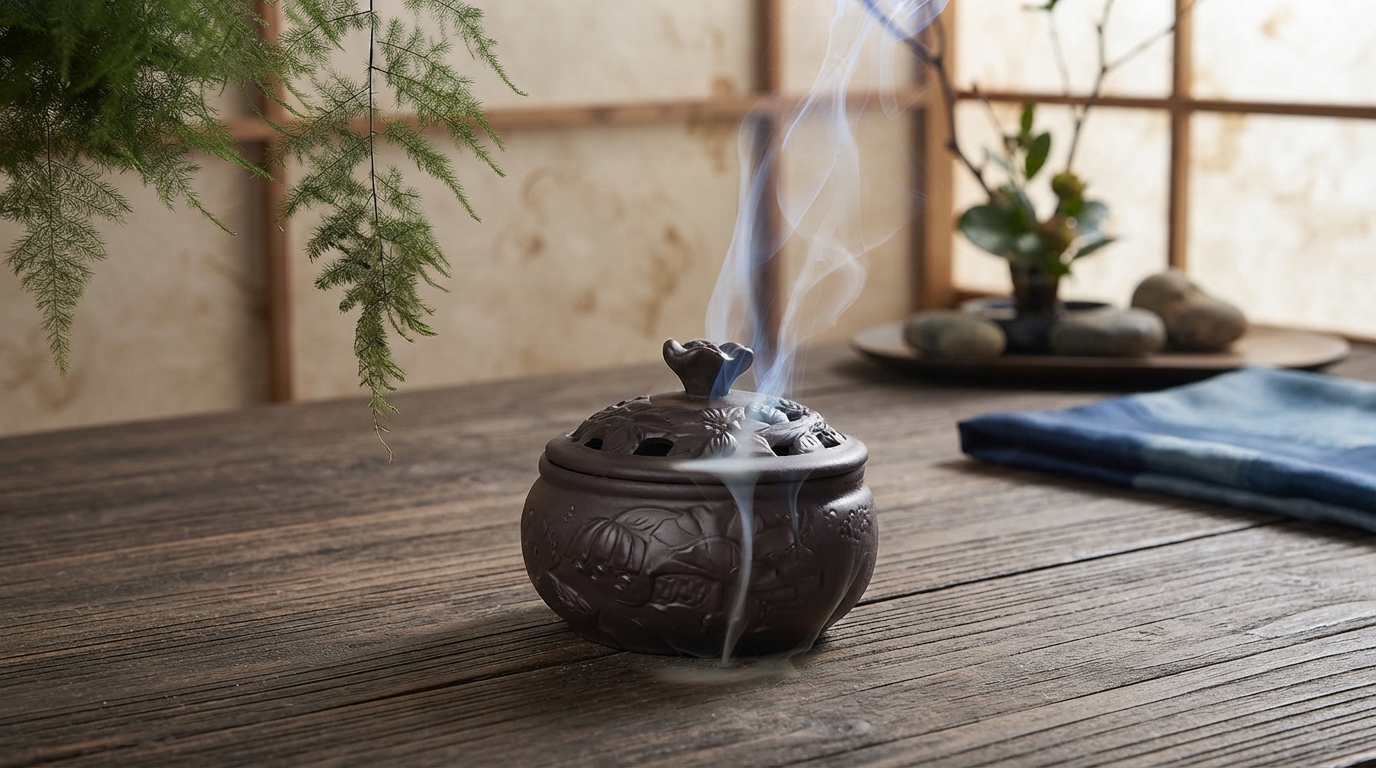
A lotus-shaped ceramic backflow incense burner turns fragrance into a slow, calming ritual: light a backflow cone, watch the smoke cascade like a waterfall, and let the aroma settle the space. The result is part scent, part visual meditation—especially satisfying when the room is quiet and the air is still.
If you’re looking for a centerpiece that’s both functional and decorative, the Ceramic Backflow Incense Burner Lotus Aroma Diffuser for Relaxation offers a simple way to build a consistent wind-down cue at the end of the day (or a gentle reset between busy moments).
The lotus has long been associated with calm, renewal, and mindful pauses—making it an easy visual reminder to slow down. In décor terms, it reads as “soft” and balanced, which can make a corner of a room feel more intentional even before you light anything.
Ceramic also plays a practical role. It tends to feel substantial and stable, helping the setup stay put during use. And because ceramic handles heat well, it’s well-suited to holding a cone as it burns down to ash.
The waterfall effect becomes a gentle focal point for small rituals: a few rounds of paced breathing, light stretching, journaling, or simply sitting and watching the smoke settle into the channels. When it’s not in use, the lotus shape still looks sculptural—like a small accent piece on a shelf or console.
Backflow incense cones are made with a tunnel through the center. When lit, the cone produces smoke that’s guided downward through that tunnel and into the burner’s carved pathways. As the smoke cools, it becomes denser and “pours” into the channels, creating the signature cascade effect.
Still air matters. Drafts from open windows, HVAC vents, or strong fans can disrupt the effect and make smoke rise like normal incense. If you want the waterfall look, choose a calm spot and give the cone a minute or two to get going.
| Step | What to Do | Why It Helps |
|---|---|---|
| Choose the right incense | Use backflow cones (not standard cones or sticks) | Ensures smoke travels through the internal tunnel |
| Place on a stable surface | Use a heat-safe tray or coaster under the burner | Protects surfaces from heat and residue |
| Reduce drafts | Turn off strong fans and avoid direct vents | Keeps the waterfall effect consistent |
| Light and wait | Let the flame burn a few seconds, then gently blow it out | Creates a steady ember for continuous smoke |
| Give it time | Expect 1–3 minutes before the cascade looks strong | Smoke needs time to cool and channel downward |
Backflow incense is often used to create a defined relaxation moment rather than a “set it and forget it” background scent. Because it’s visual, it naturally encourages you to pause—helpful when your mind is racing and you want a clear transition into rest.
Plan for lingering fragrance. If you enjoy scent hanging in the air, evening is ideal; if you’re sensitive, keep the session brief and allow fresh air afterward. The EPA’s indoor air quality guidance is a helpful reference for thinking about ventilation in everyday spaces: EPA — Indoor Air Quality.
| Moment | Scent Family | Suggested Use |
|---|---|---|
| Evening wind-down | Floral/herbal | 10–20 minutes while reading or journaling |
| Meditation | Woody/resin-like | Start cone 2 minutes before sitting; keep the room still |
| Bath or self-care | Soft sweet/warm | Burn briefly, then extinguish before soaking if scent is strong |
| Freshen a small space | Light citrus/tea-like | Short session with a window slightly open afterward |
For general open-flame safety habits that translate well to incense use, the National Fire Protection Association provides clear at-home guidance: NFPA — Candle Safety.
Backflow incense is commonly used for relaxation rituals, meditation and breathwork, and adding ambient fragrance to a small space. The waterfall smoke effect also makes it popular as functional décor and as a gift, especially when used in still air for the best cascade.
Let the burner cool completely, then remove loose ash and wipe with a soft cloth; use cotton swabs to reach the channels. For stubborn residue, use mild dish soap with warm water, rinse, and dry thoroughly, avoiding abrasive scrubbers that could scratch the ceramic.






Leave a comment