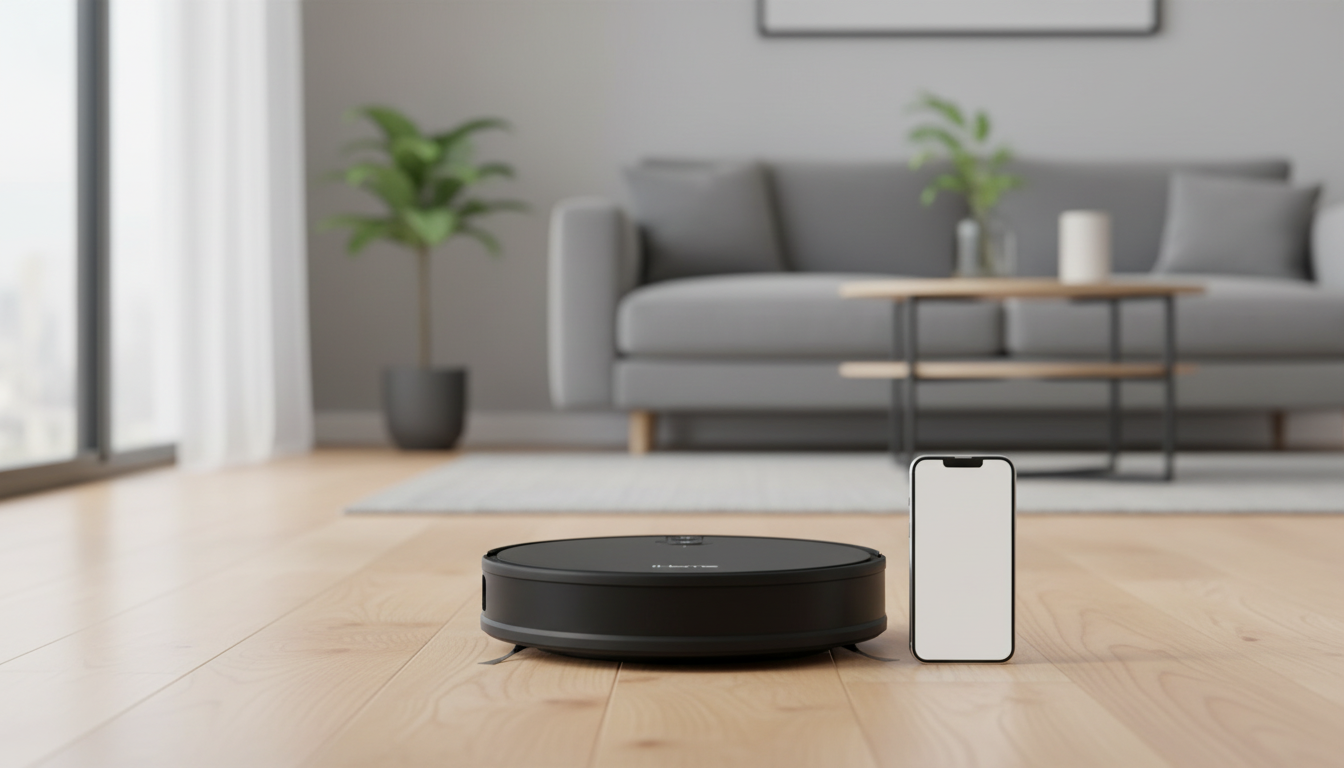
A robot vacuum becomes genuinely helpful when it can learn the layout, clean with consistent suction, run long enough to finish a full pass, and let scheduling happen from a phone. This guide breaks down what mapping changes day-to-day, what 2200Pa suction means for common messes, how a 120-minute runtime fits real homes, and how app control streamlines routine cleaning. For more guidance, see Recent developments in autonomous floor-cleaning robots: a review.
This type of robot vacuum is designed to keep floors looking “reset” between deeper cleans—especially in apartments, condos, and busy households. For further reading, see Monsga Robot Vacuum | Official website.
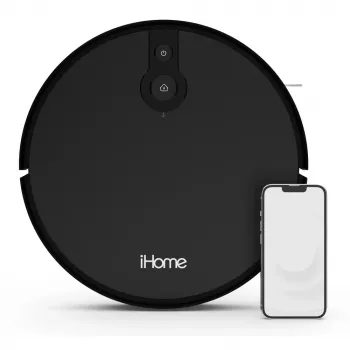
If you’re shopping for a practical maintenance cleaner, consider the Smart Robot Vacuum with Mapping, 2200Pa Suction, 120 Min Runtime & App Control for routine dust and crumb control on hard floors and light rugs.
Mapping is what separates “it eventually gets there” cleaning from a routine that feels consistent. Instead of wandering and repeating the same loops, a mapped robot tends to follow more predictable paths that improve coverage and reduce wasted time.
For the first few runs, the goal is a “clean mapping pass.” Clear the floor, open interior doors you want included, and let the robot finish without frequent interruptions. After that, day-to-day cleans generally become more predictable.
Suction ratings can be confusing because real cleaning performance depends on brush design, airflow, bin capacity, and how often you run it. Still, 2200Pa is a strong range for everyday maintenance—especially on hard floors and low-pile rugs—where debris is mostly sitting on the surface.
| Surface / Mess Type | Expected Result | Tips for Better Results |
|---|---|---|
| Hard floors (dust, crumbs) | Strong day-to-day pickup | Run daily or every other day; clear chair areas for full access |
| Low-pile rugs (sand, grit) | Good surface-level pickup | Use multiple passes via scheduling; keep rug edges flat |
| Pet hair on hard floors | Good if cleaned frequently | Brush pets regularly; run after high-shedding times |
| Thick carpet (deep debris) | Limited deep extraction | Use an upright/corded vacuum periodically for deep cleans |
A 120-minute runtime is most useful when the robot can complete a broader pass without stopping to recharge—particularly in multi-room spaces or homes where furniture creates lots of slow navigation moments.
Minor changes like moving chairs or sliding a coffee table usually won’t break mapping, but frequent big rearrangements can reduce navigation efficiency. After major changes, run a full-home cleaning cycle to help it re-learn the updated layout.
It’s typically effective for routine pickup on hard floors and low-pile rugs when scheduled frequently. For thick carpet and heavy shedding, results improve when you clean the brush/roller often and still plan periodic deep cleans with a stronger vacuum.
Empty the dustbin every 1–3 runs depending on how much debris it collects (more often with pets or entryway grit). Clean the filter about weekly, and replace it according to the manufacturer’s guidance or sooner if you notice reduced suction.





Leave a comment