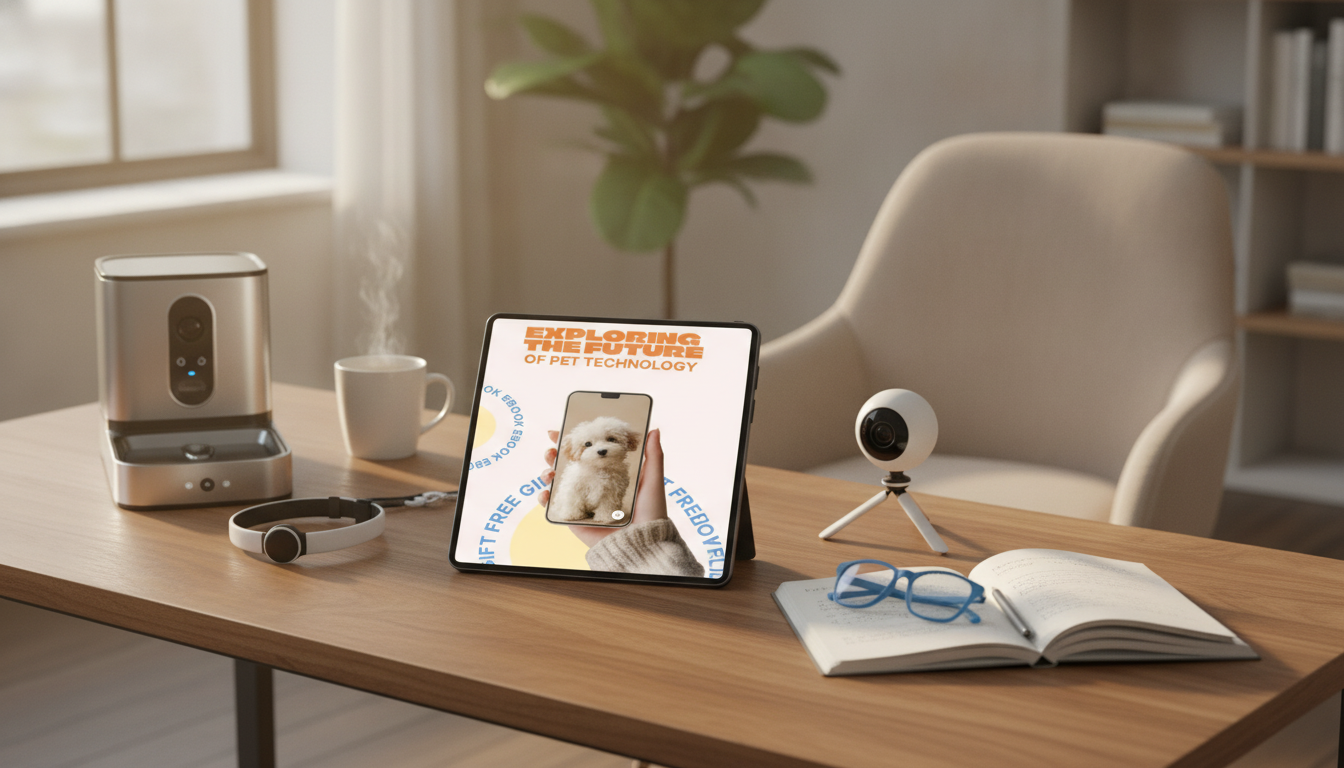
Smart collars, app-connected feeders, and AI-powered monitoring are rapidly changing how pets are cared for at home and on the go. The best tools don’t replace hands-on routines—they reduce guesswork, automate the repetitive parts safely, and make it easier to notice subtle changes early. Below is a practical look at what smart pet care looks like heading into 2026, the biggest trends driving real improvements, and how to pick devices that support well-being without turning daily care into a screen-time marathon.
Pet tech is shifting from single-purpose gadgets to connected ecosystems that combine tracking, feeding, training support, and health insights in one place. Instead of opening five different apps, many pet parents now expect one dashboard that shows location history, meals served, activity patterns, and notable “events” (like late-night pacing).
Another major change is more passive monitoring. Devices are getting better at learning your pet’s routine and surfacing meaningful deviations—less play, more restlessness, reduced visits to the water bowl area, or changes in sleep timing—so a human can take a closer look.
Automation is also getting safer. Newer feeders and doors emphasize portion control, locked lids, and fail-safes for power or Wi‑Fi interruptions. Finally, the “service layer” is expanding: subscriptions for GPS connectivity, cloud video storage, telehealth access, and analytics are now a normal part of the total cost of ownership.
Wearables are moving beyond simple activity counts. Some devices now estimate signals related to heart rate variability, respiration proxies, or itch/scratch patterns. The promise isn’t a diagnosis—it’s earlier awareness that something is “off” compared to your pet’s baseline.
Feeding tech is getting more precise. Microchip recognition and access control help ensure the right pet gets the right food, especially in households managing weight loss, prescription diets, or food-motivated pets that steal meals. Nutrition dashboards that track intake trends can also help identify gradual overfeeding that’s easy to miss day to day.
Pet cameras increasingly summarize the day instead of flooding your phone with notifications. Look for motion-based event highlights, barking/meowing detection, and safety alerts when unusual activity occurs—like a dog repeatedly jumping at a door or a pet lingering in an unusual area.
Training tech is trending toward positive reinforcement: sound/gesture cues, reward scheduling, and fewer aversive features. The goal is to support consistent routines, not to “auto-correct” behavior without context.
Smart home routines can improve comfort during absences—automated temperature checks, lights that mimic evening presence, or smart locks that coordinate with pet sitters. When done thoughtfully, these routines reduce stress triggers rather than adding noise and confusion.
For general guidance on responsible app practices and data handling, the FTC’s mobile health app best practices is a useful reference point for what “good” can look like.
| Category | Best for | Key features to look for | Common trade-offs |
|---|---|---|---|
| GPS collar tracker | Escape-prone dogs, hiking, travel | Battery life, LTE coverage, safe zones, waterproofing | Subscription cost; bulky devices for small pets |
| Activity/health wearable | Routine tracking, wellness trends | Comfort, accuracy transparency, exportable history | Not diagnostic; may miss context (stress, pain) |
| Smart feeder | Portion control, multi-pet feeding | Reliable dispenser, jam alerts, backup power, microchip access | Cleaning needs; Wi‑Fi dependence |
| Pet camera | Separation anxiety, check-ins, safety | Night vision, event clips, privacy shutter, two-way audio | Cloud fees; false alerts from shadows/noise |
| Smart litter system | Odor control, habit monitoring | Safety sensors, easy cleaning, clear reports | Higher upkeep cost; may not suit all cats |
Keep a manual fallback plan: printed feeding schedule, backup ID tags, and a non-app emergency contact method. For identification best practices, review the AVMA’s guidance on microchipping and the ASPCA’s pet identification tips. Tech is strongest when it supports (not replaces) the basics.
If a clearer, structured overview would help—especially for gift-buying or planning upgrades—consider a dedicated guide that walks through monitoring, automation, safety, subscriptions, and how to evaluate claims over time. Exploring the Future of Pet Technology | Digital eBook on Smart Pet Care & future pet tech trends is designed to map what’s worth attention now versus later, with practical adoption considerations.
For busy households trying to reduce friction and keep routines realistic, Parenting Without Perfection: A Practical Guide on How to Let Go of Perfect Parenting and Embrace Imperfections with AI Support can also help build sustainable systems—useful when pet care, family schedules, and “one more app” start to collide.
No. Smart devices can highlight trends and prompt earlier check-ins, but they are not diagnostic tools and shouldn’t delay professional veterinary care when symptoms are concerning or persistent.
They can be, when fitted correctly and used with realistic expectations. Look for comfortable fit, strong battery life, waterproofing, reliable network coverage in your area, and keep a physical ID tag as a backup.
Confirm whether key features require a subscription, how firmware updates are handled, what data is stored and for how long, and what still works during Wi‑Fi or power outages (like local recording or manual dispensing controls).







Leave a comment