
A rough idle, hesitation, or a check-engine light may point to an ignition problem, but none of those signs identifies a faulty part by itself. Start by noting what your engine does and when it happens. A few safe observations can help you decide whether to review the maintenance schedule, arrange a diagnosis, or seek help right away.
Worn spark plugs and failing ignition coils can both contribute to misfires, rough idling, hesitation, difficult starts, and reduced fuel economy. Fuel delivery, airflow, wiring, and other problems can cause similar symptoms. Buying a coil because the engine hesitates—or plugs because it idles roughly—may leave the actual fault untouched.
Write down whether the problem appears at startup, at idle, during acceleration, or in wet weather. Note when it began and whether it is getting worse. If the check-engine light is on, record whether it is steady or flashing. A flashing light or an engine that runs severely rough calls for prompt help: stop in a safe place and avoid continuing to drive a severely misfiring vehicle.
You can gather useful information without taking the ignition system apart. The first four rows below begin with observations or records available to many drivers; the final row generally calls for appropriate tools and procedures.
| Check | What to note | Next step |
|---|---|---|
| Driving symptoms | Rough idle, hesitation, hard starts, and when they occur | Record patterns before changing parts. |
| Check-engine light | Steady or flashing; any stored diagnostic trouble codes | Seek prompt help for a flashing light. Interpret codes alongside other tests. |
| Service history | Mileage and the vehicle’s specified spark plug interval | Compare your records with the owner’s manual. |
| Visible condition | Accessible loose connections, damaged wiring, or moisture | Leave disassembly and electrical testing to someone equipped to do them safely. |
| Component testing | Evidence from plug inspection or manufacturer-approved coil tests | Confirm the cause before replacing parts. |
A diagnostic trouble code is a clue, not a shopping list. It may identify an affected cylinder or circuit without establishing which part caused the problem. Before disconnecting or testing ignition components, follow the vehicle manufacturer’s procedures or have a qualified technician do the work. Our checklist helps you collect observations; it does not replace those procedures.
A spark plug creates the spark in the combustion chamber. An ignition coil supplies the high voltage needed to produce it. A worn or fouled plug may increase the demand on the ignition system, while a coil or its electrical connection can fail independently. That is why the same rough-running symptom can lead to different repairs.
If plugs are due for service, their condition, correct specification, and specified gap matter. Connector condition and cylinder-specific test results matter too, particularly when a code names one cylinder. A visual look may reveal obvious damage or moisture, but it cannot conclusively clear or condemn a coil. Ask how the suspected failure was confirmed rather than relying on a symptom match or a single code.
For general upkeep beyond the ignition system, the NHTSA vehicle maintenance guidance is a useful reminder to keep up with the vehicle’s recommended service.
If your mileage and records suggest the plugs may be due, consult the maintenance schedule and confirm the specified replacement parts before arranging service. If symptoms persist, or a code returns after work has been done, arrange a diagnosis rather than repeatedly replacing components. If the check-engine light flashes or the vehicle loses substantial power, pull over where it is safe and seek prompt assistance.
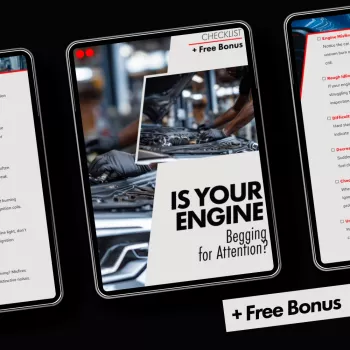
To prepare for a repair appointment, our $5.99 Spark Plug & Ignition Coil Issues checklist gives you one place to organize symptoms, service history, codes, and questions. It is an optional guide to a more informed conversation—not a test result, a repair manual, or a substitute for diagnosis. The most useful thing you can bring to a technician is a clear account of what happened, when it happened, and what has already been checked.
Ask which inspection or test supports the diagnosis. If new plugs are recommended, ask whether they match your vehicle’s specification. If a coil is blamed, ask whether its connector and related wiring were checked. When a quote calls for multiple coils, request an explanation of why each replacement is needed; a fault in one cylinder does not, by itself, prove that every coil has failed.
Our goal is to help you make the next decision with less guesswork: document the symptoms, confirm the cause, and address an urgent warning promptly.
Compare related options such as Calming Plush Dog Bed for Medium to Large Dogs to match features, dimensions, and use case before choosing.
Yes. Both can contribute to misfires and rough running, so symptoms alone cannot reliably distinguish them. Service history, codes, inspection, and appropriate tests help narrow the cause.
No. A misfire code identifies a detected problem, often in a particular cylinder, but it does not establish which component caused it.
Treat it as urgent. Stop in a safe place and arrange prompt assistance rather than continuing to drive a severely misfiring vehicle.






Leave a comment