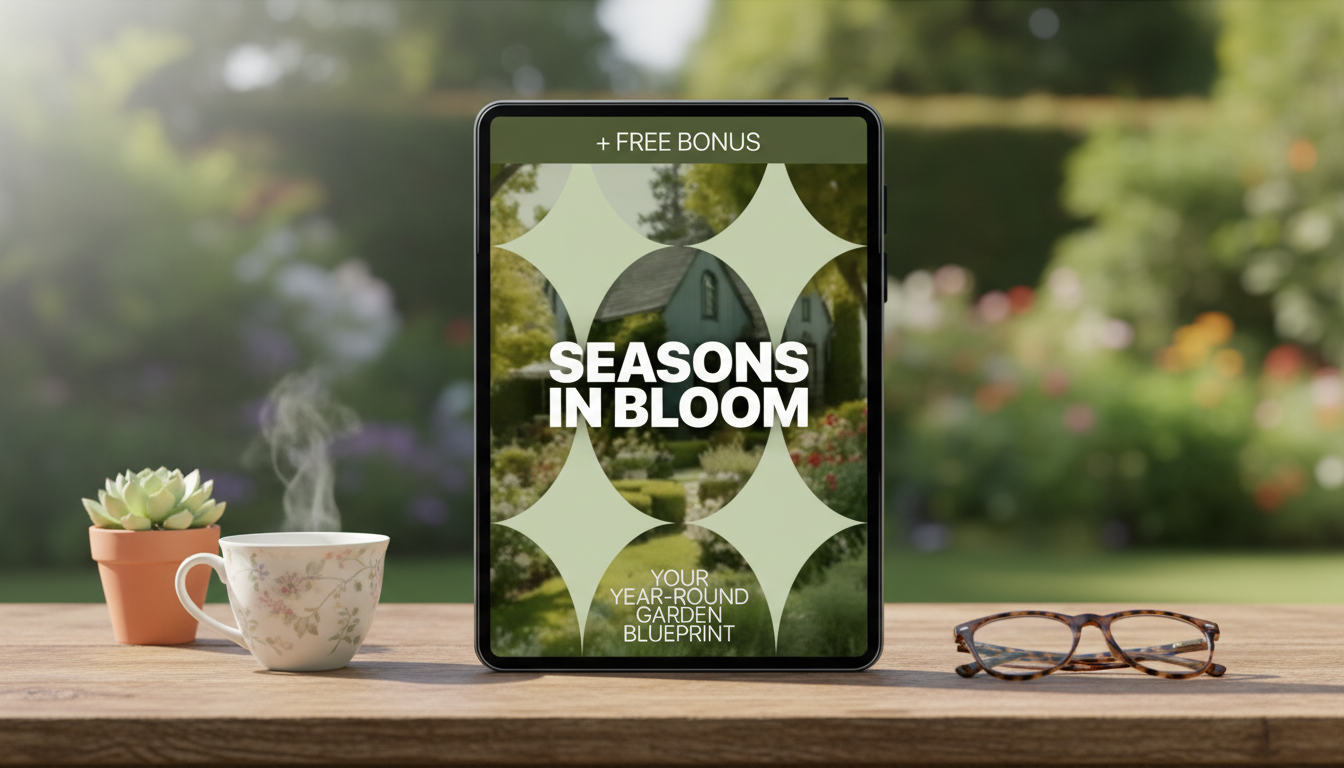
A productive garden isn’t built in a single weekend—it’s shaped by small, well-timed actions across the year. The most reliable “year-round” gardens don’t rely on heroic catch-up days; they run on repeatable routines: mapping microclimates, sequencing plantings, protecting soil, and using quick checklists to stay on track. With a clear seasonal rhythm, beds stay attractive, harvests stay steady, and the work feels lighter—because the plan does more of the thinking.
A garden map is less about artistry and more about decision-making. When it’s accurate, it reduces wasted steps and helps every planting choice fit the conditions you actually have.
Tip: confirm your baseline growing conditions using the USDA Plant Hardiness Zone Map, then refine with what your yard shows you (wind, sun, and cold pockets often matter more than zone alone).
Instead of treating each season like a brand-new project, use a repeating cycle. The goal is consistency, not intensity.
If follow-through is the hardest part, a single place to store dates, notes, and “next actions” can keep the rhythm steady. Seasons in Bloom: Your Year-Round Garden Blueprint – A Digital Guide for Year-Round Garden Planning is designed to combine mapping, seasonal checklists, and planning pages so the routine stays simple.
Bed productivity usually falls apart in the gaps—when one crop finishes and the next isn’t ready. Sequences solve that by planning “hand-offs,” not just plantings.
Succession planting doesn’t need to be complicated—just repeat a few reliable crops at consistent intervals. For practical examples, see the University of Minnesota Extension overview on succession planting.
If composting feels messy or uncertain, a clear method helps. The Royal Horticultural Society guide to composting is a solid reference for building dependable compost over time.
| Season window | Primary goals | Typical tasks | Quick win |
|---|---|---|---|
| Late winter | Set the plan and prep for early growth | Seed inventory, bed mapping, tool sharpening, start slow-growing seedlings indoors (where appropriate) | Label beds and update a planting calendar |
| Early spring | Early sowing and soil wake-up | Top-dress compost, sow cool-season crops, protect from late frosts, harden off seedlings | Install hoops/row cover so it’s ready before the cold snap |
| Late spring | Transition to warm-season planting | Transplant warm-season crops after nights stabilize, mulch pathways, set up irrigation timers/drip lines | Mulch early to cut summer weeding |
| Summer | Stability and succession | Deep watering schedule, succession sowing, pest scouting, prune/trellis, harvest regularly | Add a weekly 15-minute garden walk to catch issues early |
| Early fall | Second season of cool crops | Direct-sow fall greens, plant garlic/bulbs (as appropriate), refresh compost, remove diseased foliage | Start a compost “finish pile” for spring use |
| Late fall | Protect and close the loop | Cover crops or mulch, clean supports, store hoses, protect perennials, finalize notes | Take photos of beds to improve next year’s layout |
| Winter | Maintain and learn | Review notes, plan rotations, order seeds, maintain indoor starts, protect beds from erosion | Create a one-page schedule for the coming year |
For a ready-to-use structure, Seasons in Bloom: Your Year-Round Garden Blueprint – A Digital Guide for Year-Round Garden Planning supports repeatable routines without requiring complicated spreadsheets.
Staying consistent also depends on confidence—especially when asking neighbors to water while you’re away or joining a community garden. Speak Confidently in Any Situation – Practical Guide on how to improve public speaking confidence | Digital Download can help build the communication habits that make garden logistics smoother.
Focus on cool-season crops, staggered plantings, and strong soil protection with mulch or cover crops. Use simple season extension like row covers and cold-hardy varieties, and start select seedlings indoors to get an early spring jump.
Pick a few reliable crops (like salad greens) and repeat small sowings every two to three weeks during suitable weather. Track what worked by season (early spring vs. late spring) rather than trying to hit perfect calendar dates.
Yes—mixing them supports pollinators, spreads color through the seasons, and makes beds more resilient. Use seasonal hand-offs (spring flowers to summer edibles) and include a perennial or evergreen layer for winter structure.






Leave a comment