
Under pillow speakers are designed to deliver sound privately while you’re lying down, without needing earbuds that can press uncomfortably into your ear. They do this by placing a thin speaker unit under (or inside) your pillow so the audio travels through the pillow material and into the space around your ears at close range. Because the sound source is inches away, you can keep the volume low while still hearing podcasts, music, or guided sleep audio clearly.
Most under pillow speaker setups rely on a compact transducer or flat speaker that produces vibrations. Those vibrations move through the pillow’s fabric and filling, which slightly dampens higher frequencies and reduces how far the sound carries across the room. The pillow essentially acts like a soft barrier: it helps keep the audio localized near your head, which is why a partner often hears much less than they would from a phone speaker on a nightstand.
Some models use bone conduction-style transducers, which emphasize vibration-based transfer. Instead of “broadcasting” sound into open air, the device couples vibration into the pillow, and your ears pick up a mix of airborne sound and subtle vibration transmitted through the pillow. This approach is aimed at quieter listening and less disturbance.
Connection depends on the model. Many under pillow speakers use Bluetooth to stream from a phone or tablet, while others plug in via a 3.5 mm cable. Power can come from a built-in rechargeable battery (charged by USB) or a wired power source. Battery-powered options can reduce cord clutter, while wired versions can run all night without charging.
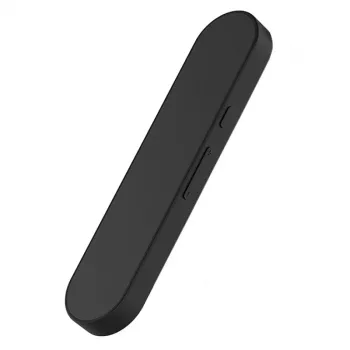
Comfort comes down to thickness, placement, and pillow type. Thin, flat designs are meant to sit under the edge of the pillow or under a pillowcase so the pressure point isn’t directly under your head. Softer pillows can mask the feel better, while very firm pillows may make the device more noticeable.
For a deeper look at speaker types, quiet listening tips, and what to consider before buying, visit this under pillow speaker guide.
They’re generally safe when used as directed: keep volume moderate, use low-profile hardware to avoid pressure points, and follow charging and cord-placement guidance to prevent tangles or overheating.




Leave a comment