A safe target volume for a white noise machine in a toddler’s room is usually around 50 dB (about the level of a quiet conversation) or lower at your child’s sleeping spot. If you need a bit more masking for street sounds or household noise, many pediatric hearing-safety recommendations suggest keeping continuous noise under 60 dB at the crib or bed area. When in doubt, quieter is better—especially for overnight, all-night use.
Start low and increase only until sudden noises (a closing door, a sibling’s footsteps, a dishwasher cycle) are less likely to wake your toddler. The goal is gentle masking, not “drowning out” everything. If you can clearly hear the noise machine from the hallway with the door closed, it may be set higher than necessary.
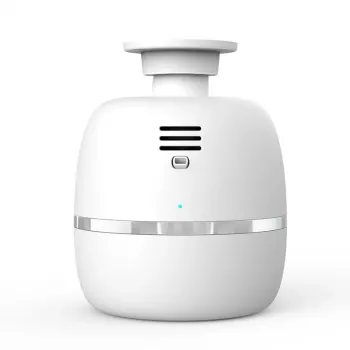
Sound intensity rises fast when a device is close to the listener. Place the white noise machine across the room—several feet from the crib or bed—and never inside the crib. Aim the speaker away from your toddler’s head, and avoid hard corners that can amplify sound.
Use a decibel-meter app (held at mattress height where your toddler’s head rests) to confirm the level. As a practical “common sense” check, you should still be able to speak in a normal voice in the room without raising your volume. If your toddler seems irritated, covers ears, or the noise feels “pressuring,” reduce the level and increase distance.
White noise works best as steady background sound, not as a loud barrier. Pair it with other noise-control steps—closing windows, adding a draft stopper, or using a fan on a low setting—so you don’t need as much volume to get the benefit. For more ways to help toddlers sleep through disruptive sounds, see this guide to helping a toddler sleep through loud noises.
It can be used all night if the volume is kept low and the device is placed across the room, but some families prefer using it only during the noisiest parts of the night. If you use it overnight, prioritize consistent, moderate sound rather than high volume.





Leave a comment