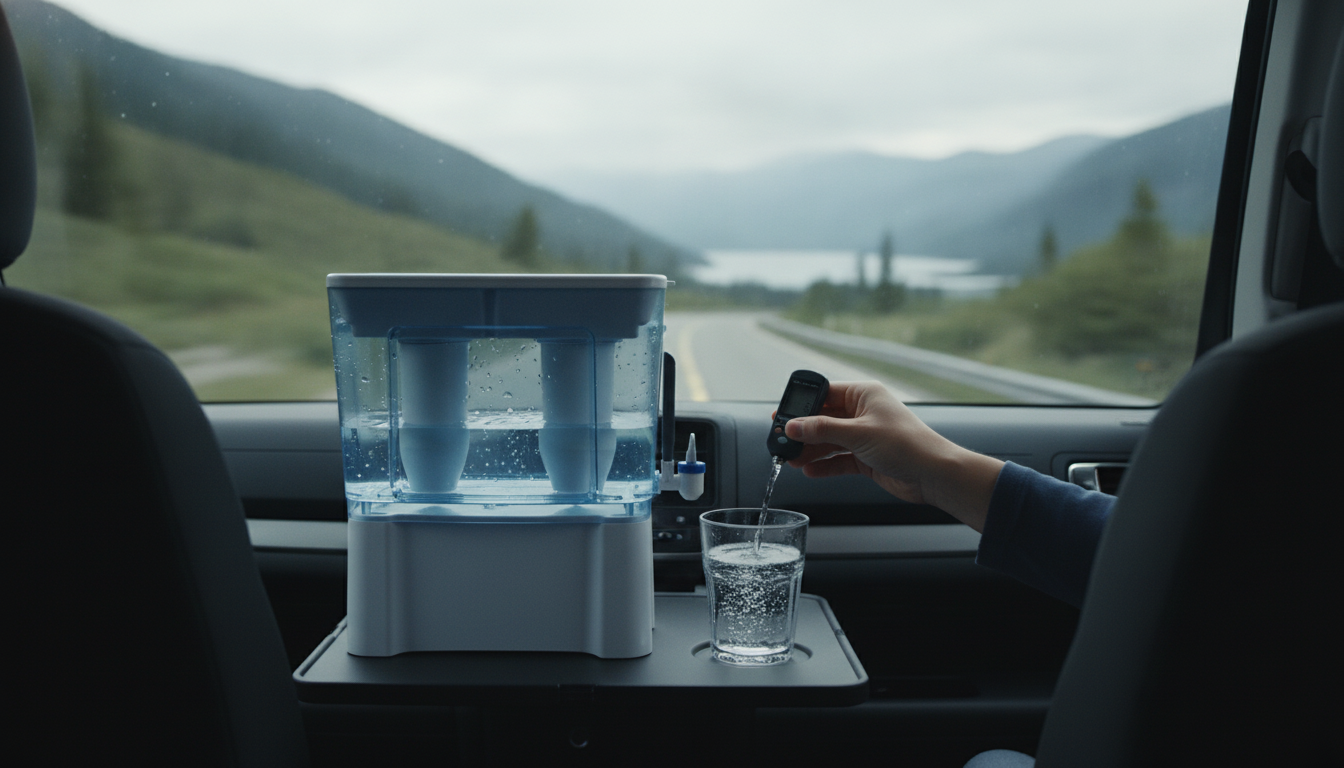
Yes—some water filters can reduce TDS (total dissolved solids), but only certain technologies do it well. TDS includes dissolved minerals and salts (like calcium, magnesium, sodium, and bicarbonates) as well as other dissolved ions. Many common pitcher filters improve taste and odor yet leave most dissolved minerals behind, so the TDS number may barely move.
If the goal is a noticeable TDS drop, look for filtration that can remove dissolved ions, not just chlorine and particulates:
By contrast, activated carbon filters mainly target chlorine, VOCs, and taste/odor compounds, so they often won’t significantly reduce TDS.
Some multi-stage pitchers include ion-exchange media in addition to carbon. Ion exchange can lower certain dissolved minerals (which may reduce scale and slightly drop TDS), but results vary depending on the cartridge design, water chemistry, and how fresh the filter is. For many households, the most practical approach is to use a pitcher/dispenser that pairs multi-stage filtration with a way to monitor changes over time.
A TDS meter gives a quick snapshot of dissolved solids before and after filtration. It doesn’t identify specific contaminants, but it’s useful for tracking consistency and knowing when performance is dropping as a filter ages.
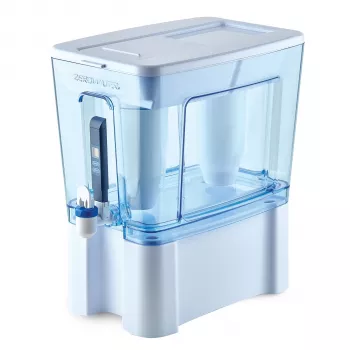
For a deeper look at a multi-stage water filter dispenser that includes a real-time TDS meter and is designed to reduce lead, visit: https://perfectpickspalace.shop/guide-52-cup-5-stage-water-filter-dispenser-real-time-tds-meter-lead-reduction/.
No. TDS is not a direct safety measure—water can have low TDS and still contain harmful contaminants, or higher TDS due to harmless minerals. Use targeted filtration and testing if specific risks (like lead) are a concern.





Leave a comment