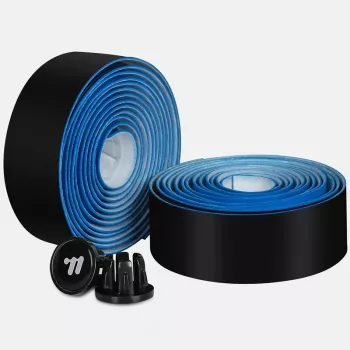
PU bar tape is bicycle handlebar wrap made with a polyurethane (PU) outer layer. It’s designed to give a grippy, comfortable surface on drop bars, helping your hands stay steady on the hoods, drops, and tops—especially when you’re sweating or riding in variable weather. PU tape is popular on road bikes because it balances tacky feel, durability, and a clean, leather-like look.
Most PU bar tape uses a layered construction: a PU top skin for grip and wear resistance, plus a backing layer (often EVA foam) to add cushioning and vibration damping. Many rolls also include adhesive backing to keep the wrap secure, along with finishing tape and bar-end plugs to seal the ends.
Compared with basic cork or thin plastic wraps, PU bar tape is often chosen for its reliable hand feel and longer-lasting surface. The PU layer can resist scuffing and handle repeated contact from gloves, fingernails, and frequent riding. The tacky finish can also improve control during hard efforts or fast descents, where a confident grip matters.
Key differences come down to thickness (more padding vs. more direct steering feel), texture (smooth, perforated, or patterned for extra traction), and included accessories like end plugs. If you ride long distances, a slightly thicker PU tape can reduce hand fatigue; if you prefer a sharper feel, a thinner wrap may suit you better.
For a deeper breakdown of anti-slip performance, wear resistance, and what comes in the box, see the full guide here: https://perfectpickspalace.shop/guide-pu-road-bike-bar-tape-anti-slip-wear-resistant-end-plugs/.
With regular road use, PU bar tape can last from several months to a couple of seasons, depending on mileage, sweat, glove use, and how often the bike is cleaned. Visible smoothing, tearing near the hoods, or reduced tackiness are common signs it’s time to replace it.







Leave a comment