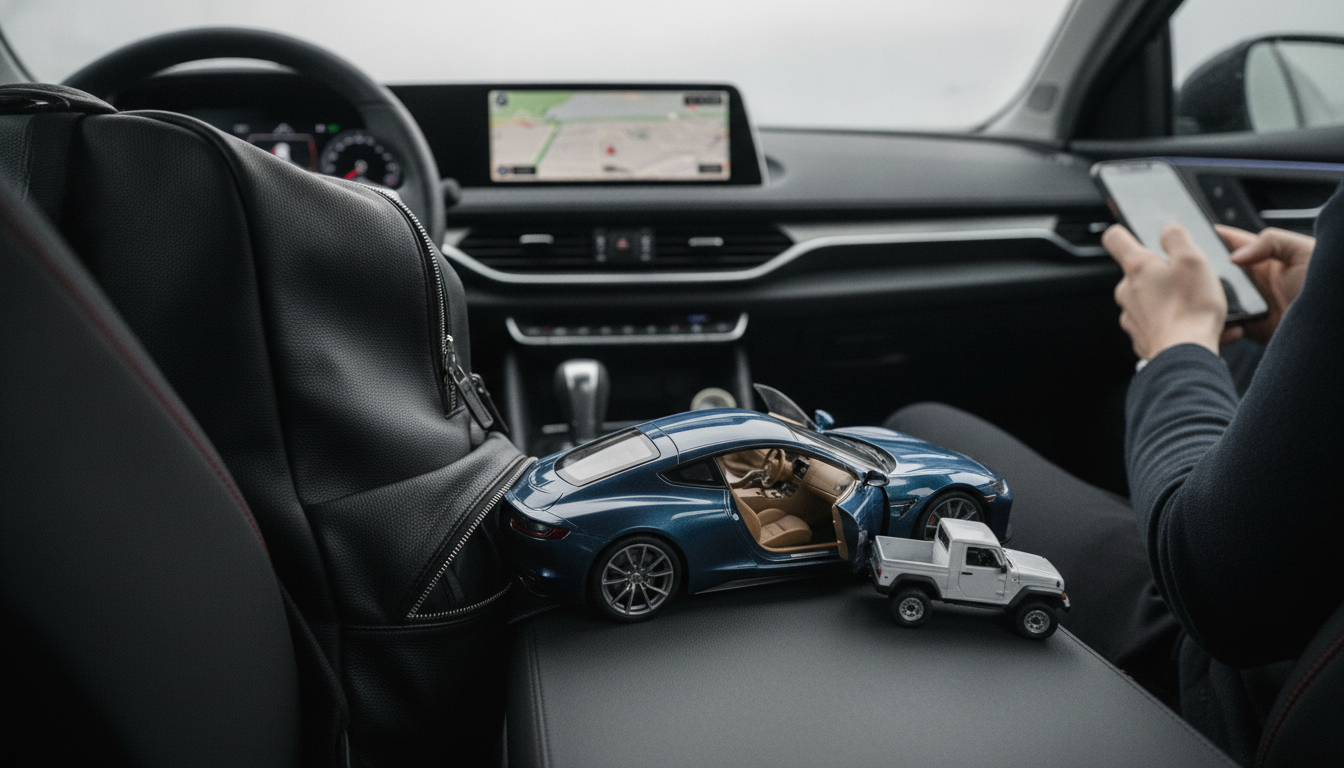
The difference comes down to size and presence: a 1:18 scale diecast car is much larger than a 1:32 model of the same real vehicle. “1:18” means the model is 18 times smaller than the actual car, while “1:32” means it’s 32 times smaller. Because 18 is a smaller divisor, 1:18 produces the bigger replica.
In practical terms, 1:18 diecast cars typically look and feel like display pieces. They usually have more room for detailed interiors, working doors/hoods, steerable wheels, and finer engine-bay elements (depending on the brand and casting). They also tend to be heavier, take up more shelf space, and cost more because there’s simply more material and detail involved.
By contrast, 1:32 diecast cars are compact and easy to collect in quantity. They’re a popular choice for desk displays, kids’ play collections, and tight shelving where you want multiple vehicles lined up without crowding. Details can still be sharp—paint, tampo markings, wheels, and basic interior features—but moving parts and deep interior realism are less common than in 1:18 because of the smaller footprint.
If the goal is a centerpiece model you’ll admire up close, 1:18 is usually the better fit. If the goal is building a broad lineup, storing easily, or mixing with other small-scale toys, 1:32 is often more convenient.
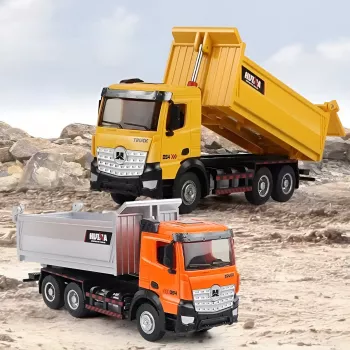
For a helpful perspective on how scale affects size, handling, and play value in metal vehicle toys, see this related guide: https://perfectpickspalace.shop/guide-1-50-alloy-diecast-dump-truck-toy-for-kids/.
For 1:18 vs 1:32 Diecast Cars: Size, Detail, and Value, the best answer depends on fit, material, care instructions, and how the product will be used day to day.
1:50 scale means the model is 50 times smaller than the real vehicle. It’s a common scale for construction and work vehicles because it balances display-friendly detail with manageable size.






Leave a comment