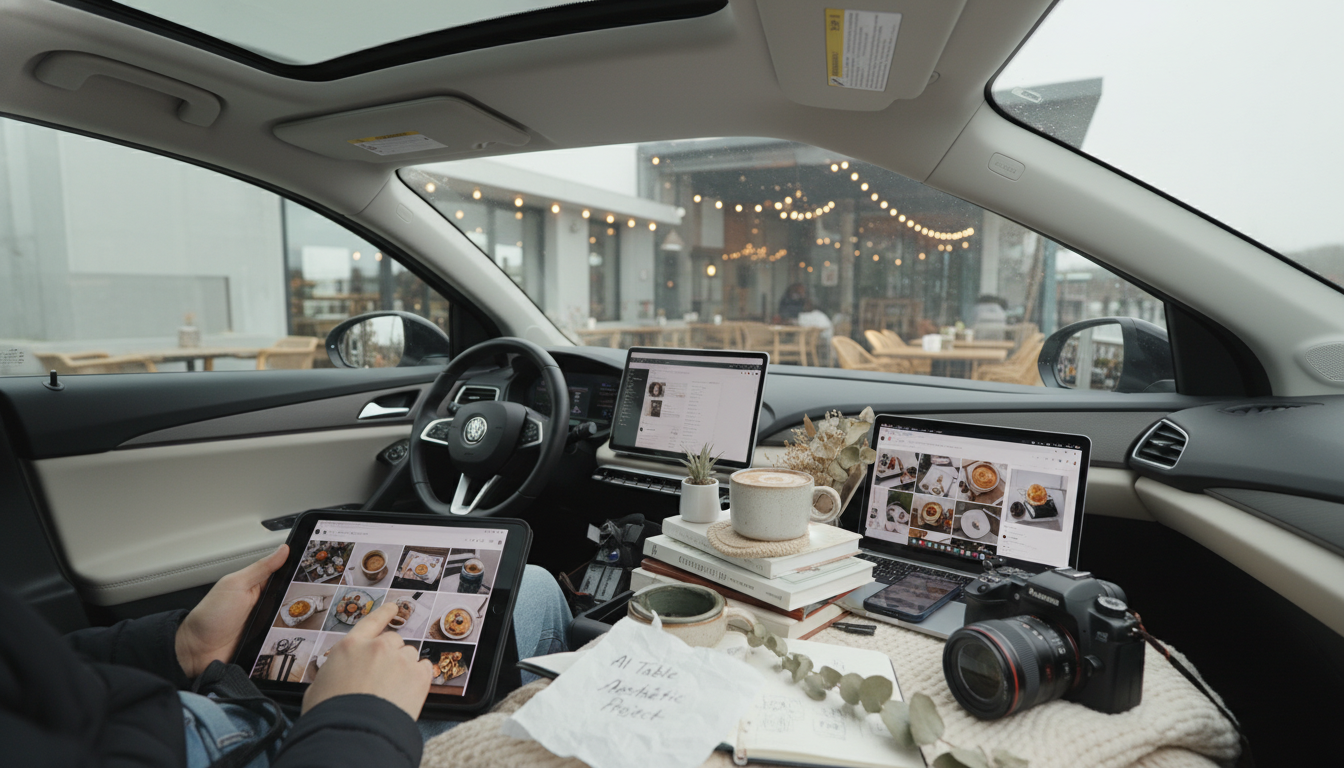
For a reliable “cozy table” look—think warm lighting, layered linens, natural textures, and intentional clutter—plan on 50–200 high-quality reference images as a practical starting range. The right number depends less on a magic minimum and more on how consistent your aesthetic is, how many variations you want the AI to handle, and how clean your dataset is.
If all your references share the same visual DNA (similar color palette, tableware style, lighting, and composition), 25–50 images can be enough to teach an AI the “signature” elements: amber-toned light, soft shadows, wood grain, knit textures, and the overall cozy mood. This works best when the images are curated and not overly diverse.
For most cozy table aesthetics, 75–150 images gives you repeatable output without the model drifting into adjacent styles (like ultra-minimal Scandinavian or overly formal tablescapes). This range supports small variations—different seasons, place settings, or centerpiece swaps—while keeping the overall feeling consistent.
Use 150–300+ images if your “cozy table” concept includes multiple sub-styles (rustic farmhouse, modern cottage, holiday candlelit, brunch spreads) or if you need the AI to hold the aesthetic across many camera angles and lighting conditions. More images help the model learn what’s essential versus what’s optional.
A smaller set of sharp, well-lit images with consistent editing usually outperforms a huge folder of mixed-quality screenshots. Aim for variety in objects (mugs, bread boards, linens, candles) while keeping consistency in mood (warmth, softness, lived-in styling).
For a step-by-step checklist on choosing, cleaning, and organizing references, visit this cozy table aesthetic AI training checklist.
A good reference image is clear, cohesive with your target mood, and shows the details you want repeated—like warm light, natural materials, and layered place settings—without distracting filters, heavy text overlays, or extreme distortions.







Leave a comment