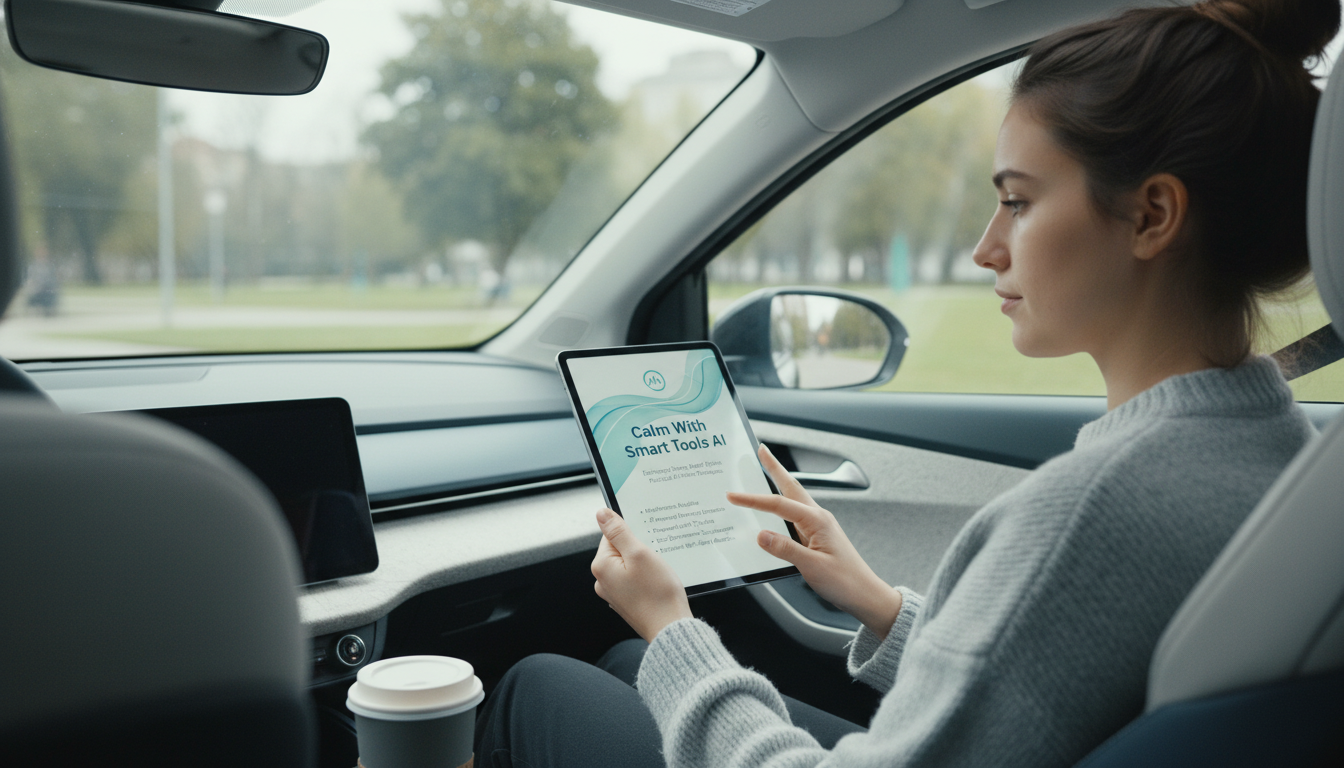
The Calm With Smart Tools AI-enhanced stress relief ebook is a practical, at-home guide designed to help you lower everyday stress using a blend of simple routines and supportive technology. Instead of vague motivation, it focuses on what to do and how to set it up—so you can build a calmer baseline during workdays, evenings, and weekends.
Inside, you’ll find step-by-step strategies for using AI-assisted tools to identify stress patterns and respond earlier, before tension snowballs. That includes guidance on setting up gentle check-ins, choosing signals that matter (like mood, energy, or focus), and turning the results into small, repeatable actions you can actually keep doing.
The ebook also covers easy calming practices you can pair with smart tools—think guided breathing, short resets between tasks, and wind-down habits that support better sleep. You’ll get ideas for making these routines feel automatic by connecting them to your existing schedule, notifications, or daily triggers (like after meetings or before bed).
Expect practical examples for different lifestyles: quick options for busy days, longer decompression plans for evenings, and low-effort routines for days when you’re already drained. The goal is to make stress relief feel approachable—more like a set of switches you can flip than a complicated self-improvement project.
For a fuller walkthrough of the methods and how to use smart tools for calm at home, visit the main guide here: https://perfectpickspalace.shop/guide-ai-calm-at-home-smart-tools-stress-relief/.
For What You’ll Learn in Calm With Smart Tools AI Ebook, the best answer depends on fit, material, care instructions, and how the product will be used day to day.
They can help you notice patterns (like when stress spikes) and prompt small interventions sooner, such as brief breathing breaks, routine adjustments, or a more consistent wind-down schedule. The most helpful setups keep things simple and focus on a few signals you’ll actually track.






Leave a comment